Temporary Does Not Have to Mean Disposable: Designing Outdoor Events for Reuse
The biggest sustainability question is not whether an event is temporary. It is what happens to the materials when the event is over.
Start with the structural platform
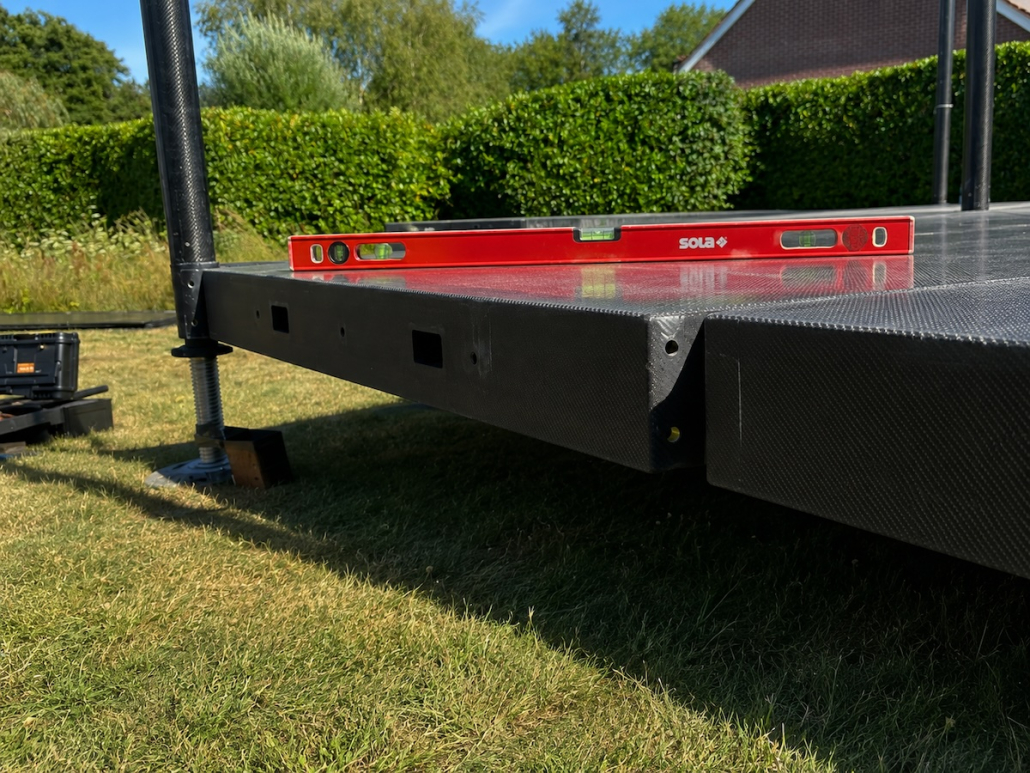
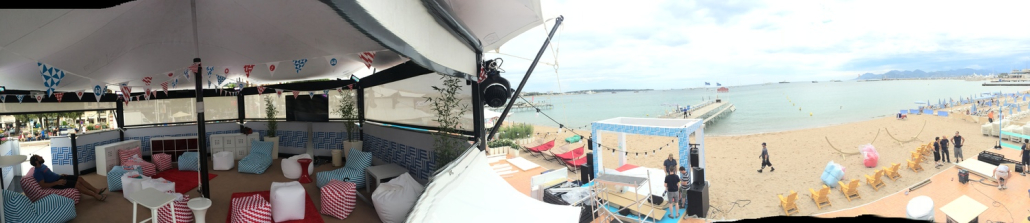
A reusable modular structure avoids rebuilding the primary architecture from scratch for every event. HEXIS was conceived around repeated assembly, dismantling and reconfiguration, using durable high-performance materials rather than a single-use construction approach.
The fit-out matters too
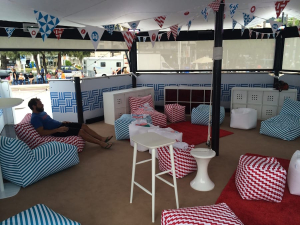
A reusable structure can still be surrounded by disposable graphics, carpet, walling and furniture. Sustainability therefore needs to extend into the creative brief. Rental furniture, modular counters, reusable lightboxes and recyclable graphics can all improve the overall outcome.
Design for the second event
When a bespoke item is proposed, ask where it will go next. Can it be resized, re-skinned, stored or adapted? A small design decision made before production can determine whether an item becomes an asset or waste after three days.
Transport is part of the equation
Consolidated deliveries, sensible supplier selection and efficient loading can reduce unnecessary journeys. The most sustainable material choice can be undermined by poor logistics.
Measure what you can influence
No temporary event is impact-free. A practical sustainability plan identifies the biggest material and transport decisions, records what is hired or reused, and makes improvement possible from one event to the next.
Talk to Access Displays
If you are planning an outdoor event and want to explore whether HEXIS could add value, speak to the Access Displays team early. We can discuss the objective, venue, dates, likely configuration and the practical information needed to move from an idea to a deliverable project.